Watch “WAHAB KHAR RA LOVE /TRUST /FAITH AND BELIEVE” on YouTube
Watch “WAHAB KHAR RA LOVE. FAITH & TRUST TOWARDS THE SULTAN OF KASHMIR HAZRAT SULTAN UL AARFEEN RA” on YouTube
Charity prevents Depression

CHARITY BEGINS AT HOME
Ever heard the expression, “Charity begins at home”? Of course you have, but have you ever heard it in a positive context? I reckon not. It’s most often said with a raised eyebrow and an air of holier than thou attitude. “You should help those at home before you help others in a far flung country.” The expression has always enraged me. People in need are people in need wherever they are. So I decided to find out where the expression came from.
Image for post
It turns out that a man called Thomas Fuller, British clergyman and author, coined the famous phrase in the 17th century: “Charity begins at home, but should not end there”. The last bit is conveniently forgotten these days, and he meant exactly the opposite of how people use it now. Fuller was talking about people (usually men) who would make a point of being kind and generous in public, possibly at Church, but then not be as kind to their family at home. His point was — act in the same loving and generous manner to those close to you in private, as you do in public. He never meant that charity should be confined to the home or to our country only. Basically he meant you should be kind and generous at home and extend that to others outside of the home too. Take that one step further and it means we should teach our children to be kind and charitable at home so that they will treat everyone outside in the same manner.
Image for post
Donating clothes to Syria and refugees in Lebanon and Greece
Raising global kid citizens
And it is this vein that I set up KidCitizen. It’s about being kind to everyone no matter who they are and where they are. It’s about raising a generation of global citizens who in turn will raise KidCitizens of their own, or at least that is the grand vision. As global citizens, we have responsibilities to each other and to our planet. Whether it’s through showing compassion, sharing knowledge, volunteering, advocating or being charitable. Everyone, including young people, no matter how young, can make a difference. Raising KidCitizens is about raising thinkers, nurturing curious and open minds, encouraging explorers and adventurers, paving the way for knowledge seekers and communicators; opening their eyes to different cultures and bringing up principled activists who will stand up for what is right and above all show compassion at all times.
Image for post
Don’t get me wrong, I’m not preaching. I can’t. I am a mum with two boys who have colossal code red tantrums, share (only if their life depends on it), and would really rather drive than flex those little legs, but they are also kind, curious, loving, thoughtful and considerate (or at least have potential to be) and just like British author and environmentalist George Monbiot recently wrote, if we don’t teach kids about nature, they won’t look after it. I’d like to add if we don’t teach them about humanity, they won’t look after that either!
Image for postImage for post
So what is a global citizen anyway? Here are a few guidelines:
1) One who is kind to everyone
2) One who seeks to understand; accepts and loves other cultures, races and faiths
3) One who connects with nature and looks after the environment
4) One who gives back to the community
5) One who believes in equality for all, will stand up for what is right and will not stay silent in the face of injustice.
Set the record straight
When people say, “Charity begins at home” in a derogatory way, who are they to decide who is worthy of support, who are they to assume that helping those far away is at the expense of those at home and how dare they make aspersions on others’ acts of kindness. So the next time I hear someone use that expression, I won’t feel enraged, I’ll simply say, yes it does. Charity does begin at home, it’s how we teach our kids to love, to respect, to accept, to tolerate, to unite, and to help those in need!
For ways to inspire and support your children in their quest to be good KidCitizens, check out the KidCitizen blog for up and coming blog posts on volunteering opportunities for kids, simple acts of kindness, travelling the world through kid-friendly foods and much more.
Watch “MUNQABAT OF DR SIR MOHAMMAD IQBAL ra” on YouTube
Watch “YA GOUSUL AZAM DASTAGEER ra” on YouTube
Watch “Beautiful videos of nature” on YouTube
Avoid heart problems

positive thinking impact on mental health
Mental health is more than the absence of mental disorders.
Mental health is an integral part of health; indeed, there is no health without mental health.
Mental health is determined by a range of socioeconomic, biological and environmental factors.
Cost-effective public health and intersectoral strategies and interventions exist to promote, protect and restore mental health.
Mental health is an integral and essential component of health. The WHO constitution states: “Health is a state of complete physical, mental and social well-being and not merely the absence of disease or infirmity.” An important implication of this definition is that mental health is more than just the absence of mental disorders or disabilities.
Mental health is a state of well-being in which an individual realizes his or her own abilities, can cope with the normal stresses of life, can work productively and is able to make a contribution to his or her community.
Mental health is fundamental to our collective and individual ability as humans to think, emote, interact with each other, earn a living and enjoy life. On this basis, the promotion, protection and restoration of mental health can be regarded as a vital concern of individuals, communities and societies throughout the world.
Determinants of mental health
Multiple social, psychological, and biological factors determine the level of mental health of a person at any point of time. For example, violence and persistent socio-economic pressures are recognized risks to mental health. The clearest evidence is associated with sexual violence.
Poor mental health is also associated with rapid social change, stressful work conditions, gender discrimination, social exclusion, unhealthy lifestyle, physical ill-health and human rights violations.
There are specific psychological and personality factors that make people vulnerable to mental health problems. Biological risks include genetic factors.
Mental health promotion and protection
Mental health promotion involves actions that improve psychological well-being. This may involve creating an environment that supports mental health.
An environment that respects and protects basic civil, political, socio-economic and cultural rights is fundamental to mental health. Without the security and freedom provided by these rights, it is difficult to maintain a high level of mental health.
National mental health policies should be concerned both with mental disorders and, with broader issues that promote mental health. Mental health promotion should be mainstreamed into governmental and nongovernmental policies and programmes. In addition to the health sector, it is essential to involve the education, labour, justice, transport, environment, housing, and welfare sectors.
Specific ways to promote mental health include:
early childhood interventions (e.g. providing a stable environment that is sensitive to children’s health and nutritional needs, with protection from threats, opportunities for early learning, and interactions that are responsive, emotionally supportive and developmentally stimulating);
support to children (e.g. life skills programmes, child and youth development programmes);
socio-economic empowerment of women (e.g. improving access to education and microcredit schemes);
social support for elderly populations (e.g. befriending initiatives, community and day centres for the aged);
programmes targeted at vulnerable people, including minorities, indigenous people, migrants and people affected by conflicts and disasters (e.g. psycho-social interventions after disasters);
mental health promotional activities in schools (e.g. programmes involving supportive ecological changes in schools);
mental health interventions at work (e.g. stress prevention programmes);
housing policies (e.g. housing improvement);
·violence prevention programmes (e.g. reducing availability of alcohol and access to arms);
community development programmes (e.g. integrated rural development);
poverty reduction and social protection for the poor;
anti-discrimination laws and campaigns;
promotion of the rights, opportunities and care of individuals with mental disorders.
Mental health care and treatment
In the context of national efforts to develop and implement mental health policy, it is vital to not only protect and promote the mental well-being of its citizens, but also address the needs of persons with defined mental disorders.
Knowledge of what to do about the escalating burden of mental disorders has improved substantially over the past decade. There is a growing body of evidence demonstrating both the efficacy and cost-effectiveness of key interventions for priority mental disorders in countries at different levels of economic development. Examples of interventions that are cost-effective, feasible, and affordable include:
treatment of depression with psychological treatment and, for moderate to severe cases, antidepressant medicines;
treatment of psychosis with antipsychotic medicines and psychosocial support;
taxation of alcoholic beverages and restriction of their availability and marketing.
A range of effective measures also exists for the prevention of suicide, prevention and treatment of mental disorders in children, prevention and treatment of dementia, and treatment of substance-use disorders. The mental health Gap Action Programme (mhGAP) has produced evidence based guidance for non-specialists to enable them to better identify and manage a range of priority mental health conditions.
WHO response
WHO supports governments in the goal of strengthening and promoting mental health. WHO has evaluated evidence for promoting mental health and is working with governments to disseminate this information and to integrate effective strategies into policies and plans.
In 2013, the World Health Assembly approved a “Comprehensive Mental Health Action Plan for 2013-2020”. The Plan is a commitment by all WHO’s Member States to take specific actions to improve mental health and to contribute to the attainment of a set of global targets.
The Action Plan’s overall goal is to promote mental well-being, prevent mental disorders, provide care, enhance recovery, promote human rights and reduce the mortality, morbidity and disability for persons with mental disorders. It focuses on 4 key objectives to:
strengthen effective leadership and governance for mental health;
provide comprehensive, integrated and responsive mental health and social care services in community-based settings;
implement strategies for promotion and prevention in mental health; and
strengthen information systems, evidence and research for mental health.
Particular emphasis is given in the Action Plan to the protection and promotion of human rights, the strengthening and empowering of civil society and to the central place of community-based care.
In order to achieve its objectives, the Action Plan proposes and requires clear actions for governments, international partners and for WHO. Ministries of Health will need to take a leadership role, and WHO will work with them and with international and national partners, including civil society, to implement the plan. As there is no action that fits all countries, each government will need to adapt the Action Plan to its specific national circumstances
Most beautiful unseen scene
Avoid heart problems
TIPS FOR OUR GOOD HEALTH
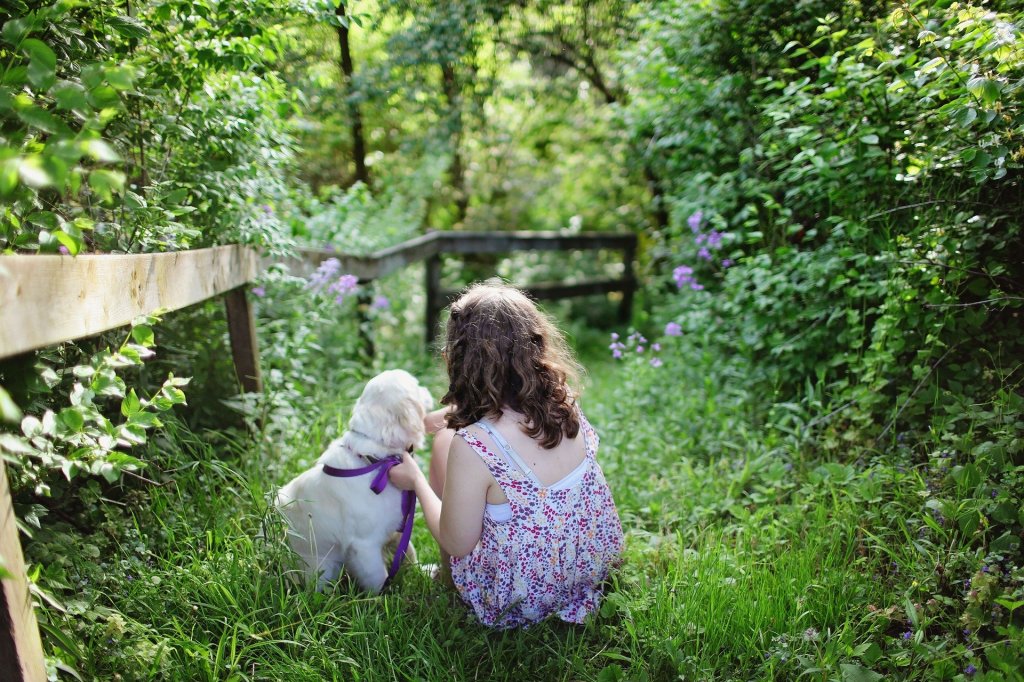
We as a whole need to do great! Regardless of whether it’s for ourselves or our friends and family, the planet, or society on the loose. Regardless of how huge or little, great deeds convey a twofold punch – we have a constructive outcome and we feel incredible simultaneously. Respecting that glad gradually expanding influence in 108 unique nations is Good Deeds Day–a yearly festival of doing great around the globe. Look at this rundown of 52 plans to assist you with doing lasting through the year and roll out a positive improvement on the planet.
A GOOD DEED A WEEK:
Leave your first check of the year alone to good cause.
Help a companion out of luck.
Volunteer for an hour at an association of your decision.
Spare power by unplugging your gadgets when not being used.
Purchase a present for your mom or grandma – in light of the fact that.
Permit an individual driver to converge into your path.
Compose a card to say thanks to somebody who won’t anticipate it.
Find unneeded things in your home and give them to a beneficent association.
Plant a tree.
Consider something you progress admirably, and utilize your ability to profit others – for instance performing wizardry stunts at a youngsters’ emergency clinic or playing music at a nursing home.
Show an older individual to utilize a PC to ride the Internet or compose messages.
Coordinate a family supper and value being together.
Gather squishy toys or toys from relatives, companions, and neighbors and give them to an association that helps youngsters.
At the point when you are outside, stop and check out you. Set aside some effort to acknowledge nature.
Discover a bit of winter apparel that you haven’t worn the entire season, and give it to a foundation.
Give an old mobile phone.
Be naturally cognizant – utilize the two sides of the paper prior to discarding it.
Offer to cook or clean for the group of somebody who has as of late conceived an offspring.
Consider at any rate three things you should be grateful for in your life.
Pursue a CPR course.
Plant a vegetable nursery, and give the vegetables to a food wash room.
Gather duffle sacks, short-term packs, and bags from companions and give them to associations that send them to kids in child care.
Add yourself to a bone marrow library and participate in a bone marrow drive.
Get waste from the walkway.
Offer to peruse to or mess around with somebody living in a nursing or retirement home.
Give blood.
Moderate energy. Mood killer the lights in case you’re the last individual to leave a room.
Spare articles about individuals performing thoughtful gestures as a wellspring of motivation and inspiration for you and your family.
Choose to roll out one improvement in yourself that will make you a superior individual.
Bite the bullet and apologize for something you’ve done – regardless of whether enormous or little.
Take food to another neighbor.
Participate in an education program, to help kids or grown-ups figure out how to peruse.
Give school supplies to kids from oppressed homes.
Gather little cleansers, shampoos, antiperspirants, and other little toiletries, and give them to battered ladies’ sanctuaries, recovery communities for youngsters, or different spots that would profit by them.
Give your old eyeglasses to an association that will reuse them.
Treat a companion to supper.
Return a call you have been putting off.
Give 10% of your compensation to noble cause.
Volunteer at a soup kitchen.
Pick up the telephone in a lively voice.
Reuse whatever paper, jugs, and plastic things conceivable.
Hold a foundation day at work. Energize your associates and managers to get durable things to be given to an admirable motivation.
Turn the tap off when you’re shaving, brushing your teeth, or scouring the dishes – each drop checks.
Take public vehicle as opposed to driving.
Embrace an asylum creature.
Make a twofold group of something tasty and freezable and offer it to a more seasoned neighbor who doesn’t cook for oneself as much any longer.
Change your lights to the energy-proficient assortment.
Get some information about their day.
Hold the entryway open for an outsider.
Acclaim an associate’s decent work.
Ponder.
At the point when you’re out purchasing food, buy an additional thing to give to a food storeroom or to a vagrant.
 Love is peace of mind